



[ad_1]
Argentina’s economic woes have been compounded by record inflation and a rapidly depreciating peso. Citizens have been struggling to cope with the effects of excessive currency creation and the impact of the Russia-Ukraine conflict. Could Bitcoin be the solution?
In this context, Michael Saylor, CEO of MicroStrategy and strident Bitcoin advocate, recently suggested that Argentina buy Bitcoin as a potential hedge against inflation.
Argentina’s Economic Woes and the Bitcoin Solution
Argentina’s economy is in turmoil, with soaring inflation and public unrest. Excessive currency creation and macroeconomic factors have compounded the situation, leaving citizens in dire financial straits. Michael Saylor suggests Bitcoin as a potential hedge against inflation amid these challenges. While cryptocurrencies offer security and decentralization, examining potential pitfalls is crucial before embracing them as a panacea.
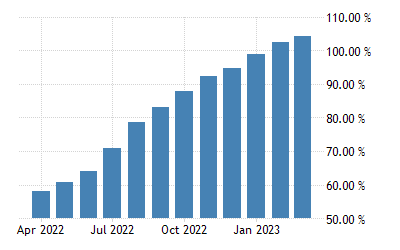
Hyperinflation has plagued Argentina, with the inflation rate reaching 118% at one point. This astronomical figure has eroded the purchasing power of the Argentine peso, causing immense hardship for its citizens. The central bank’s excessive currency creation and fallout from the Russia-Ukraine conflict have only exacerbated the crisis. As people search for solutions, Bitcoin emerges as a possible answer.
A key factor contributing to Argentina’s economic struggles is the government’s reliance on printing money to finance public spending. This has led to a rapid increase in the money supply, devaluing the peso and driving up prices. Moreover, the Russia-Ukraine conflict has caused disruptions in global trade, leading to price spikes in commodities that heavily affect Argentina’s import-dependent economy.
The Allure of Bitcoin: Security and Decentralization
Cryptocurrencies like Bitcoin offer certain advantages over traditional financial systems. They’re decentralized, meaning no single entity controls them, reducing the risk of manipulation. Additionally, cryptocurrencies can provide security and privacy, making them an attractive option for individuals in countries with unstable economies or struggling currencies. These features may make Bitcoin appealing to Argentinians seeking relief from their economic woes.
For Argentinians, adopting Bitcoin could provide a degree of financial autonomy. Thus allowing them to circumvent capital controls and preserve their wealth. Bitcoin’s decentralized nature also means it is less susceptible to government interference, providing stability in an otherwise unstable economic landscape.
Potential Downsides of Embracing Bitcoin
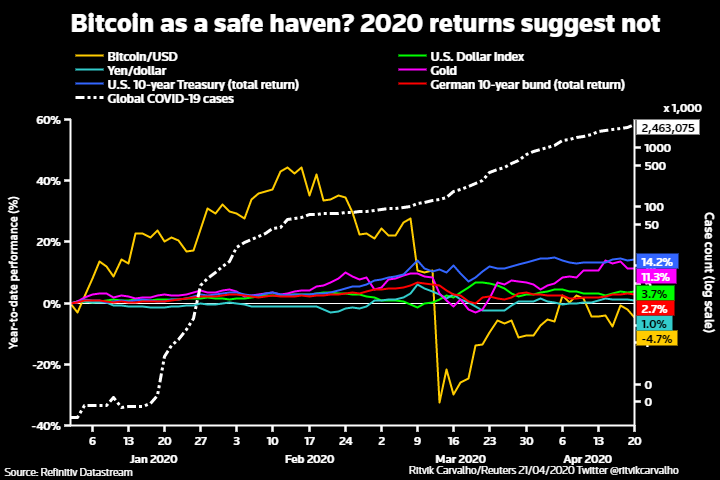
While Bitcoin may appear to be an attractive hedge against inflation, it comes with its own set of risks. Cryptocurrency markets are notoriously volatile, with prices often experiencing wild fluctuations. This volatility could undermine Bitcoin’s role as a stable value store for Argentinians, exposing them to potential losses. In 2021, for instance, Bitcoin’s price dropped by over 50% in just a few months, demonstrating the potential risks involved in relying on cryptocurrencies as a store of value.
As cryptocurrencies gain popularity, governments worldwide are grappling with how to regulate them. In some cases, this has led to regulatory crackdowns, which can significantly impact the value and usability of cryptocurrencies like Bitcoin. Argentinians relying on Bitcoin as an inflation hedge may find themselves at the mercy of such measures, potentially jeopardizing their financial security.
China has aggressively curbed crypto use, banning ICOs and closing exchanges. If Argentina follows suit, it could limit Bitcoin’s effectiveness as an inflation hedge.
Cryptocurrencies need internet access and digital literacy, possibly excluding many from Bitcoin’s benefits. Bridging the digital divide and improving accessibility are crucial for crypto viability.
In Argentina, about 82% of the population has internet access. Leaving a substantial number of individuals without the means to utilize cryptocurrencies. Furthermore, the complexity of managing digital wallets and understanding the intricacies of cryptocurrencies may pose a barrier to adoption for those with limited digital literacy. Addressing these challenges is crucial for ensuring that Bitcoin can truly serve as an effective safeguard against inflation.
Lessons from Other Countries
Argentina is not the first country to consider cryptocurrencies as a potential solution to economic struggles. Venezuela, another country facing hyperinflation and economic turmoil, launched its own cryptocurrency, the Petro, in 2018. However, Petro has faced skepticism and failed to gain widespread adoption, serving as a cautionary tale for nations looking to embrace cryptocurrencies as a panacea.
El Salvador, on the other hand, has adopted Bitcoin as a legal tender in an attempt to strengthen its economy and provide financial inclusion to its citizens. While it’s still early to determine the long-term effects of this move, El Salvador’s experience may offer valuable insights for Argentina as it considers adopting Bitcoin to combat inflation.
Charting the Future of Cryptocurrencies in Argentina
The suggestion by Michael Saylor that Argentinians should consider Bitcoin as a hedge against rampant inflation has garnered significant attention. While cryptocurrencies offer certain benefits, such as security, decentralization, and financial autonomy, there are potential downsides to consider, such as market volatility, regulatory crackdowns, and accessibility challenges.
Ultimately, for Bitcoin to work in Argentina, addressing risks and promoting safe, fair adoption is vital. Policymakers, regulators, and the public need open dialogue and cooperation to find the best path for the nation’s economy.
In addition, the experiences of other countries like Venezuela and El Salvador can offer valuable lessons as Argentina navigates the complex world of cryptocurrencies. Whether or not Bitcoin can truly secure the nation’s financial stability remains to be seen. Still, the conversation surrounding the role of Bitcoin or other cryptocurrencies in combating inflation is far from over.
Disclaimer
Following the Trust Project guidelines, this feature article presents opinions and perspectives from industry experts or individuals. BeInCrypto is dedicated to transparent reporting, but the views expressed in this article do not necessarily reflect those of BeInCrypto or its staff. Readers should verify information independently and consult with a professional before making decisions based on this content.
[ad_2]
Source link



