



[ad_1]
The United Kingdom’s Online Safety Bill, currently under debate, is paving a contentious road toward the future of digital privacy. Its implications for end-to-end encryption emerge as a prominent point of concern.
Big tech companies like Apple and encrypted messaging services such as WhatsApp and Signal have taken arms against the bill. These prominent firms voice apprehensions about increased state surveillance and risks to user privacy.
Is the UK Banning End-to-End Encryption?
End-to-end encryption, the technology at the heart of the controversy, is lauded for its role in securing private communications. Its importance in protecting the confidentiality of journalists, human rights activists, and diplomats, among others, cannot be overstated.
Still, the UK government’s latest legislative initiative is stirring a hornet’s nest. The Online Safety Bill, first drafted in May 2021, is set to address issues related to online safety. These include fraudulent advertisements, child access to pornographic content, and users’ control over the content they interact with.
“This government will not allow the lives of our children to be put at stake whenever they go online… To prevent any further tragedy and build a better future for our children, we are acting robustly and with urgency to make the Online Safety Bill the global standard for protecting our children,” said Paul Scully, UK Minister for Technology and the Digital Economy.
However, including provisions for combating child sexual abuse material (CSAM) via encrypted messaging platforms has sparked a major controversy. These contentious provisions imply that companies should be able to prevent illegal activities like child sexual abuse while maintaining end-to-end encryption, a scenario that critics argue is unworkable.
It requires tech firms to scan all content shared via their platforms against a database for potential illegal material. Critics view this process as tantamount to government surveillance.
Big Tech Unites Against UK Online Safety Bill
End-to-end encrypted messaging service providers, including Apple, WhatsApp, and Signal, have publicly expressed concerns about UK Online Safety Bill.
For instance, Apple urged the UK government to amend the regulatory framework to preserve encryption.
“[End-to-end encryption] helps everyday citizens defend themselves from surveillance, identity theft, fraud, and data breaches. The Online Safety Bill poses a serious threat to this protection, and could put UK citizens at greater risk,” said Apple in a statement.
On the other hand, Will Cathcart, CEO of WhatsApp, affirmed the messaging app would not remove end-to-end encryption for UK law.
“Our users all around the world want security. 98% of our users are outside the UK. They do not want us to lower the security of the product, and just as a straightforward matter, it would be an odd choice for us to choose to lower the security of the product in a way that would affect those 98% of users,” said Cathcart.
Meanwhile, Meredith Whittaker, President of the Signal Foundation, is concerned about one UK Online Safety Bill provision that threatens to undermine encryption.
“There is no way to create a backdoor that only the good guys can walk through. What is being proposed here in the context of end-to-end encryption is a backdoor. We know from decades of history from decades of serious research that there is no such thing as a safe backdoor. If the British police can get in, hackers can get in,” affirmed Whittaker.
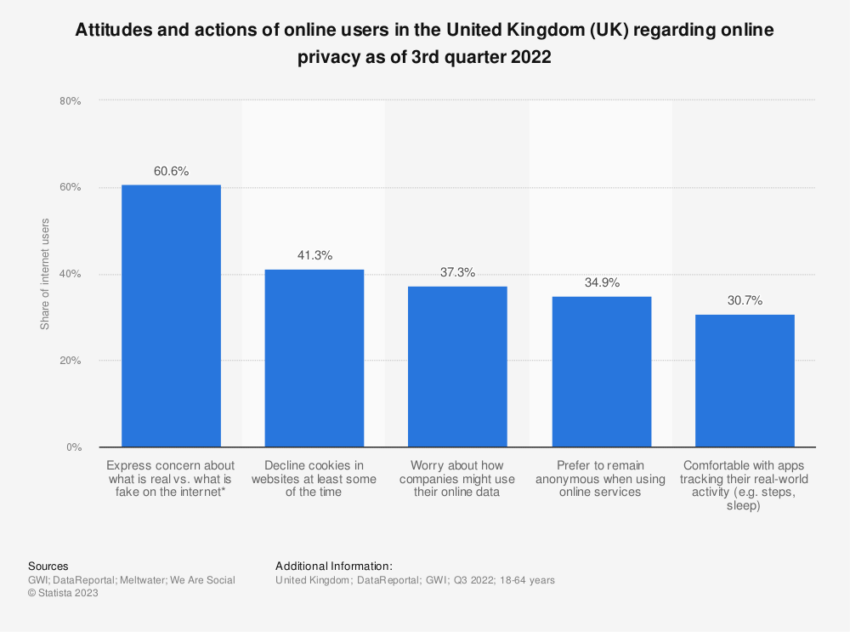
Potential threats to user privacy also stem from the bill’s requirements for verifying the age of users. While striving to protect minors from harmful content is crucial, the anticipated age verification methods — including biometrics — raise questions about how the gathered data will be used and protected.
Is Bitcoin’s Encryption at Risk in the UK?
While the UK Online Safety Bill primarily targets social media companies and messaging services, the potential impacts on cryptocurrencies like Bitcoin may not be as direct. Still, certain implications can be drawn based on the broad strokes of the bill.
Increased Surveillance: One of the most contentious issues about the bill is the potential for increased state surveillance, as firms might need to undermine end-to-end encryption to comply. For Bitcoin users, increased surveillance could impact privacy. Bitcoin transactions are pseudonymous and can be traced on the blockchain. If privacy is diminished through increased state surveillance, users might feel a heightened sense of unease over their financial transactions.
Data Collection: The bill requires robust age verification, likely leading to increased data collection. Crypto exchanges may also be subjected to these requirements. More data collection can lead to concerns about data breaches and misuse of personal information.
Regulatory Precedent: Perhaps the most significant impact is that the Online Safety Bill could set a regulatory precedent. If it passes with the current provisions, it could pave the way for further regulation in the tech industry, including cryptocurrencies. Governments worldwide are grappling with how to regulate digital currencies. The UK’s approach to balancing safety and privacy in the tech sector could influence future legislation related to Bitcoin and other cryptocurrencies.
Chilling Effect on Innovation: The bill could also indirectly influence the crypto sector through a chilling effect on innovation. If tech companies face stringent regulation, they might be less inclined to develop new services or products related to Bitcoin or other cryptocurrencies due to fear of running afoul of the law.
Although the UK Online Safety Bill does not directly address Bitcoin, its ripple effects could impact the wider tech industry, including cryptocurrencies.
Making the Internet a Safer Place
Despite the backlash, the UK government maintains that the Online Safety Bill will make the Internet safer. It will obligate social media giants to remove illegal and harmful content.
“The front line of this fight to keep our children safe is private messaging – and it would be inconceivable for regulators and law enforcement to suddenly go into retreat at the behest of some of the world’s biggest companies. Experts have demonstrated that it is possible to tackle child abuse material and grooming in end-to-end encrypted environments,” said Richard Collard, Associate Head of the National Society for the Prevention of Cruelty to Children.
The penalties for non-compliance are steep. The potential for fines of up to 10% of global turnover and even prison time for top executives.
While the debate continues, what hangs in the balance is the very nature of digital privacy. There is a growing fear that if the bill passes without adequate amendments, it might trigger an exodus of secure messaging apps from the UK. Leaving users with fewer options for private communication.
As the bill enters its final stages of approval, it is incumbent on all stakeholders to strike a judicious balance between online safety and digital privacy. The consequences of erring on either side could be detrimental and far-reaching.
Disclaimer
Following the Trust Project guidelines, this feature article presents opinions and perspectives from industry experts or individuals. BeInCrypto is dedicated to transparent reporting, but the views expressed in this article do not necessarily reflect those of BeInCrypto or its staff. Readers should verify information independently and consult with a professional before making decisions based on this content.
[ad_2]
Source link



