


[ad_1]
This article/post contains references to products or services from one or more of our advertisers or partners. We may receive compensation when you click on links to those products or services
As interest in sustainable investing increases and more and more people realize that something needs to be done to combat climate change, some investors are turning to green bonds.
So what are green bonds? Put simply, they are a fixed-income security meant to raise funds for sustainable projects.
Generally issued by companies and governments, green bonds help fund renewable energy initiatives, recycling efforts, clean transportation such as expanding public railways, and more.
For investors interested in making a difference while getting a return on their investment, they offer an alternative way of investing besides investing in stocks or exchange traded funds.
The Short Version
A green bond is a type of security designed to support climate-related projects.
Green bonds were first issued in 2008 by the World Bank and are expected to reach $1 trillion as interest in ESG investing increases.
Green bonds work the same way as other types of bonds but may have tax incentives to make them a more attractive investment. They are often not open to retail investors but are instead sold to institutional investors.
While there is no set standard on what makes a green bond, there are third-party verifiers who help investors identify whether certain green bonds are actually being used for projects that benefit the environment.
What Are Green Bonds?
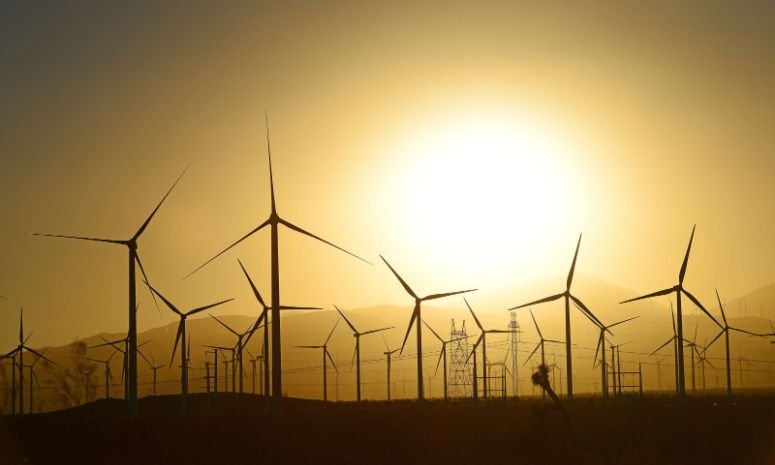
Green bonds are similar to Treasury bonds or any other type of bonds. But in this case, the money raised is used to finance climate and environmental projects, such as renewable energy like wind turbines or green buildings.
These types of bonds are usually asset-linked and backed by the balance sheet of the issuing party so they have the same credit rating as other types of debt obligations from the issuer. Green bonds may also be referred to as climate bonds but the latter usually refers to projects focused on reducing carbon emissions or combating climate change.
The World Bank issued the first green bond in 2008 in response to a group of Swedish pension funds that wanted to invest in projects to help the climate. Since then the market has grown, with $245 billion raised in the first half of 2022 alone, according to global law firm Linklaters. Meanwhile, Moody’s has projected that the sustainable debt issuance sector could hit $1 trillion in 2022, as more companies turn to ESG and sustainable financing measures.
The U.S. is the biggest issuer of green bonds, led by mortgage giant Fannie Mae. State and local governments have also issued green bonds, and even corporations like Apple and Verizon have issued bonds to help tackle climate projects, although some critics have accused the firms of using the bonds as a form of greenwashing.
Read more>>What Is the Meaning of Greenwashing?
How Do Green Bonds Work?
Green bonds work the same way as any other bond — they’re fixed-income securities issued to fund projects. Bonds are a type of loan that an investor makes to a company, organization, or government agency in exchange for interest and principal repayment.
The only difference here is that the projects are meant to have an environmental impact.
Green bonds may also come with tax incentives to make them a more attractive investment. To get a green bond status they often have to be certified by a third-party like the Climate Bond Standard Board.
Investors should be aware that there are no clear standards or definitions for what makes a green bond different from a regular bond. In other words, it’s important for investors to do their own research to make sure what they are investing in is actually helping the community and not greenwashing.
However, there are two recognized standards that can be used to identify green bonds:
Climate Bond Standard and Certification. This is a labeling scheme for bonds and loans to identify investments that contribute to addressing climate change. It’s a framework that aligns with lowering greenhouse emissions established by the Paris Agreement.
Green Bond Principles (GBP). These are voluntary principles to help encourage transparency and disclosures so investors have accurate information to evaluate the environmental impact of green bonds.
Types of Green Bonds
According to the Green Bond Principles (GBP), there are four types of green bond projects. They are:
Standard Green Use of Proceeds Bond
Green Revenue Bond
Green Project Bond; and
Secured Green Bond
The Standard Green Use of Proceeds Bond is an unsecured debt obligation. It’s aligned with the principles of the GBP and has full recourse to the issuer. Green Revenue Bonds, on the other hand, are secured by collateral. In this case, the credit exposure is pledged by cash flows of the revenue streams of the company.
With the Green Project Bond the investor has direct exposure to the risk of the project, while a Secured Green Bond is a debt that is secured by a specific asset that is owned by the issuer.
Unsure how to start? How to Know If a Company or Fund Is Really ESG
Examples of Green Bonds
Green bonds can be used to fund a variety of projects. The main criterion is that they need to support environmentally-friendly projects.
For example, Apple has issued three green bonds since 2016. Their funding helped advancements in smelting technology, leading to the discovery of carbon-free aluminum which Apple used in the iPhone SE.
Volkswagen has also issued a series of green bonds to help fund electric car manufacturing. Adidas placed a sustainability bond to help fund renewable energy production, purchasing recycled materials, and other sustainable initiatives.
The World Bank has issued billions of green bonds, with projects ranging from renewable energy, clean transportation, and agriculture. One of the bank’s green bonds helped finance the Rampur Hydropower Project, which helped provide hydroelectric power to northern India, while another was used to help improve public transport in Colombia.
How to Invest in Green Bonds
Green bonds aren’t normally sold to retail investors, but instead to larger institutional investors like pension funds who buy the bonds in bulk. But there are a few options in ETFs and mutual funds for everyday investors who want to buy green bonds.
Certain exchange traded funds (ETFs) and mutual funds include green bonds. For example, the iShares Global Green Bond ETF includes a number of green bonds that support climate and sustainability measures. Other green bond ETFs include the Horizons S&P Green Bond Index ETF and the VanEck Green Bond ETF.
While you won’t own green bonds directly, you will get exposure to them and indirectly be supporting their cause or project. There are also other ways to support green projects, such as investing in ESG and socially responsible investing.
Related>>Leading Robo Advisors for Socially Responsible Investing
The Takeaway
While retail investors can’t yet invest directly in green bonds, they provide a way for companies and institutional investors to support and fund environmental projects. As the world grapples with the impact of climate change, green bonds can help fund projects aimed at making the world more environmentally friendly, while hopefully increasing investors’ portfolios at the same time.
It’s Easier Being Green>>>>
[ad_2]
Source link



