


[ad_1]
As the lines between the digital realm and our everyday lives continue to blur, the emergence of AI-powered religious chatbots offers an intriguing exploration of spirituality in the 21st century. These AI-powered ‘gods’ tap into our desire for connection, guidance, and understanding, forging a unique path that bridges the gap between traditional faith and modern technology.
In this article, we delve into the phenomenon of AI deities, examining their impact on conventional religious practices and the ethical considerations that arise from their creation and use.
Embracing Digital ‘Divinity:’ The AI Phenomenon
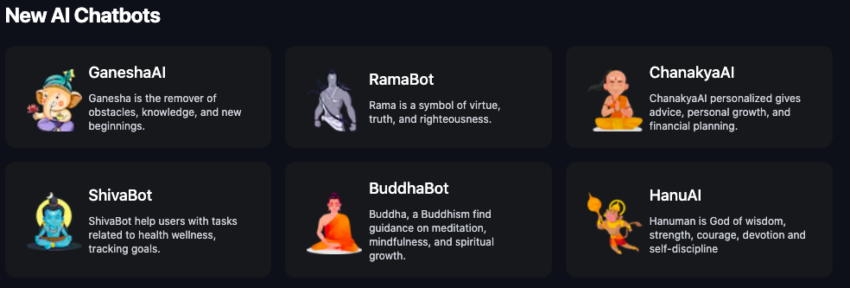
In a fast-paced, technology-driven world, people are turning to AI-powered versions of religious figures for guidance and support. This growing trend encompasses creations such as AI Jesus, AI Buddha, and Robo Rabbi. But what’s behind the appeal of these AI deities, and how are they changing the way we seek solace and wisdom?
AI religious figures owe their popularity to a unique blend of technology and spirituality. Combining cutting-edge AI algorithms with the teachings of revered religious icons, these bots offer a new form of spiritual interaction that caters to the digital age.
For example, the Jesus GPT platform allows users to engage in conversation with an AI-powered Jesus Christ, providing personalized responses based on biblical teachings. Yet, JesusGPT seeks money as its platform is now limited to a simple text box.
The accessibility and convenience of these AI deities have also contributed to their appeal. With just a few clicks or taps, individuals can access spiritual guidance on demand, irrespective of their location or time zone.
Faith Transformed: AI’s Impact on Traditional Belief
The emergence of these “gods” raises questions about their effect on conventional religious practices. Can this novel form of spiritual guidance coexist with age-old traditions, or will it upend the foundations of faith as we know it?
On one hand, AI-powered religious figures may complement traditional practices by offering an accessible means of spiritual guidance. Followers can engage with their deities at any time, fostering a more personal connection to their faith. Moreover, these bots can help spread religious teachings to a wider audience, potentially rejuvenating interest in spirituality.
They can also facilitate interfaith dialogue as individuals from diverse backgrounds come together to explore AI-powered representations of various religious figures.
Conversely, the rise of computer-generated deities may also challenge established religious institutions as the digital realm encroaches on their territory. This shift could prompt concerns about the erosion of community-based worship and the potential loss of religious authority. Furthermore, some may question the authenticity of AI-generated spiritual guidance, arguing that it cannot replace the wisdom and insight provided by human religious leaders.

A Moral Quandary: The Ethics of AI Spirituality
The creation and use of AI-powered religious figures present numerous ethical considerations. Chief among these are questions about the potential manipulation of spiritual guidance for personal or commercial gain. And the risk of distorting or misrepresenting religious teachings.
Another point of contention is the potential for artificially-generated deities to further blur the lines between technology and spirituality.
Advanced bots may challenge divine understanding, sparking debates on genuine guidance. Artificial gods prompt questions on human creativity limits and digital emulation of divinity.
Lastly, the use of AI in religious contexts may raise privacy concerns, as users share deeply personal information with these chatbots. Safeguarding the confidentiality of users’ spiritual inquiries is crucial to maintaining trust in this new form of spiritual interaction. Developers of these “deities” must implement robust security measures to protect users’ data. And ensure that their privacy is not compromised.
Artificial Intelligence and the Future of Spirituality
As artificial intelligence continues to permeate our lives, its influence on spirituality may be profound. AI-powered religious figures offer a unique blend of technology and faith, reshaping how we seek solace and wisdom. However, this fusion of the digital and the divine raises important ethical and philosophical questions. These digital gods may promote inclusive spirituality but challenge traditional faith, spurring debates on AI’s role in religion.
Open, thoughtful discussions on AI-powered religious figures’ ethics are crucial to balance digital divinity and age-old values. AI’s integration into spirituality may reveal a future of coexisting technology and faith. This could reshape how we find solace, wisdom, and connection.
Disclaimer
Following the Trust Project guidelines, this feature article presents opinions and perspectives from industry experts or individuals. BeInCrypto is dedicated to transparent reporting, but the views expressed in this article do not necessarily reflect those of BeInCrypto or its staff. Readers should verify information independently and consult with a professional before making decisions based on this content.
[ad_2]
Source link



