


[ad_1]
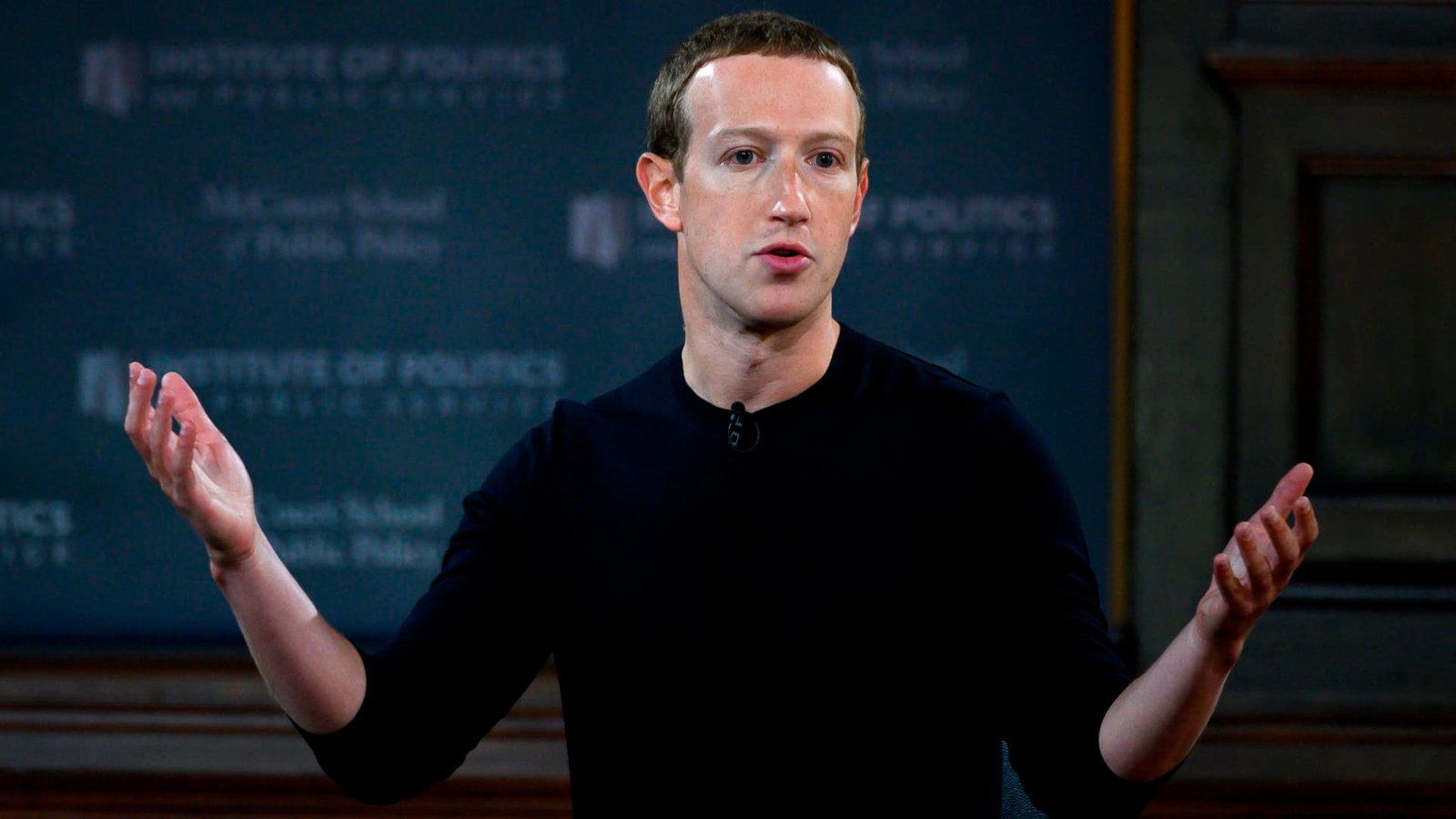
Meta Platforms CEO Mark Zuckerberg speaks at Georgetown University in Washington on Oct. 17, 2019.
Andrew Caballero-Reynolds | AFP | Getty Images
Apple recently updated its App Store Guidelines with changes that, yet again, impact Facebook’s ad business.
The new rule, introduced Monday, says that companies like Meta, which owns Facebook and Instagram, can offer apps that allow people to buy and manage advertising campaigns in dedicated apps without using Apple’s payment system, but it considers buying an ad in a social media app to be a digital purchase, from which Apple takes a 30% cut.
Meta wasn’t happy with the change. A Meta spokesperson told CNBC, “Apple continues to evolve its policies to grow their own business while undercutting others in the digital economy.”
The episode is the latest skirmish from companies like Meta that feel that Apple has too much power over mobile distribution and the ever expanding and changing rules of Apple’s App Store, which is the only way to install apps on an iPhone.
Meta and Apple have been battling for years, but the rivalry has grown more heated recently after Apple introduced App Tracking Transparency in the iPhone operating system last year. The privacy feature allows users to decline to offer app developers like Meta a unique device ID that can be used to track ad performance. Meta says the change could cost it $10 billion this year.
Meta and Apple also appear poised to compete in the world of consumer hardware, after Meta released the Quest Pro headset and Apple has been developing a competing VR headset for years that could reportedly launch next year.
Apple told CNBC that even before the new guideline the company considered social boosts to be the kind of digital purchase that needed to use Apple in-app purchases, and that the rule is more of a clarification than a new restriction.
“For many years now, the App Store guidelines have been clear that the sale of digital goods and services within an app must use In-App Purchase,” an Apple spokesman told CNBC. “Boosting, which allows an individual or organization to pay to increase the reach of a post or profile, is a digital service — so of course In-App Purchase is required. This has always been the case and there are many examples of apps that do it successfully.”
This individual restriction has long been a sticking point, and Meta, back when it was still named Facebook, negotiated with Apple over social media boosts and whether they would fall under Apple’s digital purchase rules, according to The Wall Street Journal.
Boosting features are offered by several social media companies. But most, like Twitter, already use Apple’s in-app purchase mechanism that lists boosted posts for $9.99 on Apple’s App Store. TikTok sells coins, or a currency used to promote posts, through in-app purchases as well.
For Meta, it thinks Apple’s recent clarification crosses a line in taking a piece of advertising revenue, not just app sales. Meta points to previous Apple executive statements, some made as part of the Epic Games trial over App Store rules, where it said it didn’t take a cut of ads.
“Apple previously said it didn’t take a share of developer advertising revenue, and now apparently changed its mind. We remain committed to offering small businesses simple ways to run ads and grow their businesses on our apps,” the Meta spokesperson told CNBC.
Apple isn’t asking for a cut of every ad served through the Facebook or Instagram apps. But Meta clearly feels targeted by Apple’s increasing power over its platforms, and worries that the company could argue that it deserves a piece of Meta’s total ad sales through its ads manager app, according to The Verge, which first reported Meta’s complaint.
It’s unclear how big the boost market is. Most big advertisers use dedicated portals or apps to buy ads. Eric Seufert, an ads industry watcher and the founder of Mobile Dev Memo, wrote Monday that he suspects it is a “negligible proportion of revenue” to the social media companies.
[ad_2]
Source link



