



[ad_1]
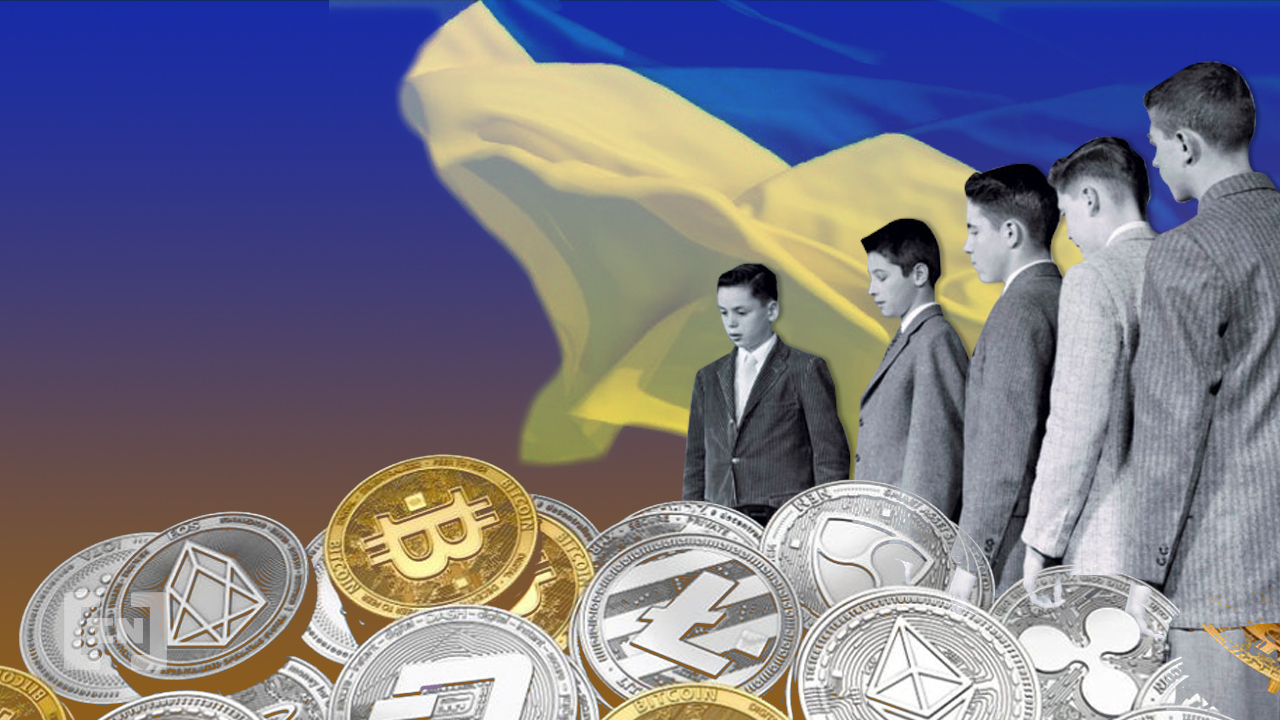
The Ukraine government is offering a bounty for anyone with actionable information on the crypto wallet addresses of Russian politicians.
Ukraine’s Minister of Digital Transformation Mykhailo Fedorov called for tip-offs on addresses of crypto wallets belonging to Russian politicians and for action against “war crimes” in a tweet.
“War crimes must be pursued and punished!” he tweeted, referring to Russia’s recent attack on Ukraine.
The tips will be rewarded with a bounty, paid in crypto, subject to the discretion of the politician’s office. The funds will come from private crypto donations in ETH, Bitcoin, and other cryptocurrencies, contributed by the Ukrainian crypto community.
Legal counsel to spearhead the doxxing of wallet addresses
The minister has appointed a lawyer, Artem Afian, to spearhead the tipoff initiative. As of this time, Afian has received 500 tips, and expects to announce a list of politicians’ addresses in the next few days to share with leading global exchanges.
The government’s objective in creating this program is for politicians’ addresses to be marked as “toxic” to disincentivize transactions involving these individuals, ultimately blacklisting them from leading exchanges.
“We want them to understand that they are not welcome in Ukraine or crypto,” Afian said.
The addresses will be shared with crypto analytics firm, Chainalysis, Afian said. In a Twitter thread, Chainalysis stated that it is not likely that sanctioned individuals would move large volumes of crypto now. It is nevertheless “monitoring for on-chain indicators of crypto-based sanctions evasion by Russian actors.”
Could crypto bounties be weaponized?
The ongoing conflict in Ukraine is opening up the crypto space to the complexities of geopolitical sanctions as it relates to Russia’s conduct.
It could be a good learning opportunity for global regulators, so they can craft the appropriate rules necessary to compel crypto exchanges doing business with sanctioned nations (and/or individuals) to blacklist and publicize their wallet addresses in the interest of national security.
Governments could also create their own bounty programs from crypto seized following cryptocurrency criminal arrests, encouraging citizens to come forward with actionable information on criminals using the blockchain.
We have already seen P2P platforms like Uniswap, compelled by the Bank Secrecy Act to perform sanctions checks. The Financial Crimes Enforcement Network’s BSA regulations define a “money transmitter” as a person engaged in the business of providing money transmission services or any other person engaged as a business in the transfer of funds, according to Mondaq. This seems to bring DeFi within the ambit of FinCEN’s jurisdiction.
Centralized exchanges also fall under FinCEN’s BSA based on the same premise, as seen in a recent Congressional hearing with FTX CEO Sam Bankman-Fried.
In the hearing, Bankman-Fried said that FTX performs sanctions checks on anyone that signs up to their platform, ensuring that individuals prohibited by international sanctions cannot trade.
Crypto wielded as a weapon on two fronts
The awarding of crypto to tippers with actionable information shows that Ukraine is pioneering wielding crypto on two fronts, since the appeal for politicians’ addresses is an offensive play to squeeze Russian politicians.
On the other hand, the country has solicited donations in bitcoin, ETH, and Tether via its official Twitter account, and reports suggest that upwards of $9 million has been raised.
Both initiatives demonstrate how crypto can seamlessly traverse international borders, both for welfare and to fund political and military campaigns.
What do you think about this subject? Write to us and tell us!
Disclaimer
All the information contained on our website is published in good faith and for general information purposes only. Any action the reader takes upon the information found on our website is strictly at their own risk.
[ad_2]
Source link



